Following the detection of the African Swine Fever (ASF) outbreak in the province of Barcelona and the consequent declaration of an "emergency" by the Generalitat, the international animal defense organization AnimaNaturalis demands that authorities and the sector engage in deep reflection on the livestock production model in Spain, Europe's leading pork exporter.
From AnimaNaturalis, we point out that this crisis, which threatens animal health and the economy, is a direct and foreseeable consequence of the exaggerated and unsustainable levels of livestock production maintained in our country.
"ASF is a very serious wake-up call. As long as production volume continues to be prioritized over public health and welfare, we will keep seeing these threats," denounces Aïda Gascón, director of AnimaNaturalis in Spain.
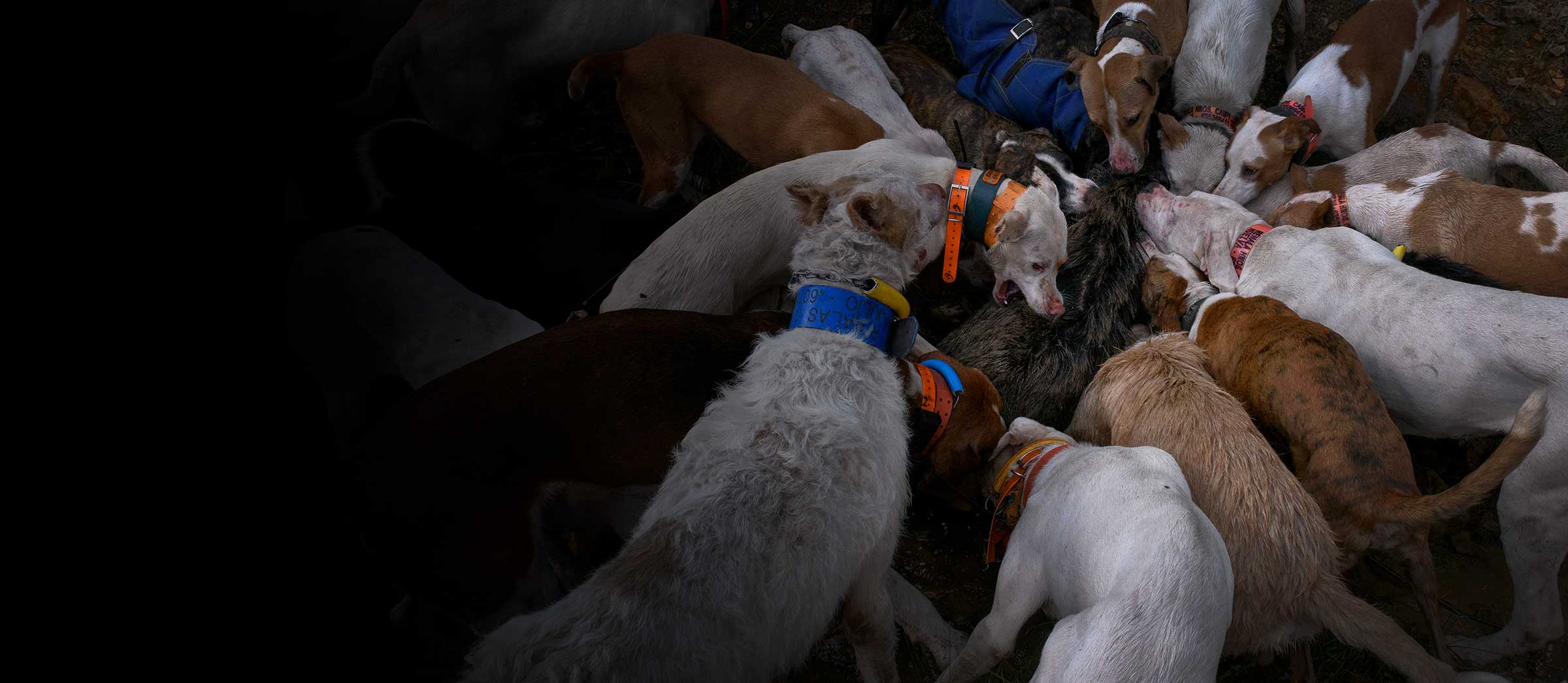
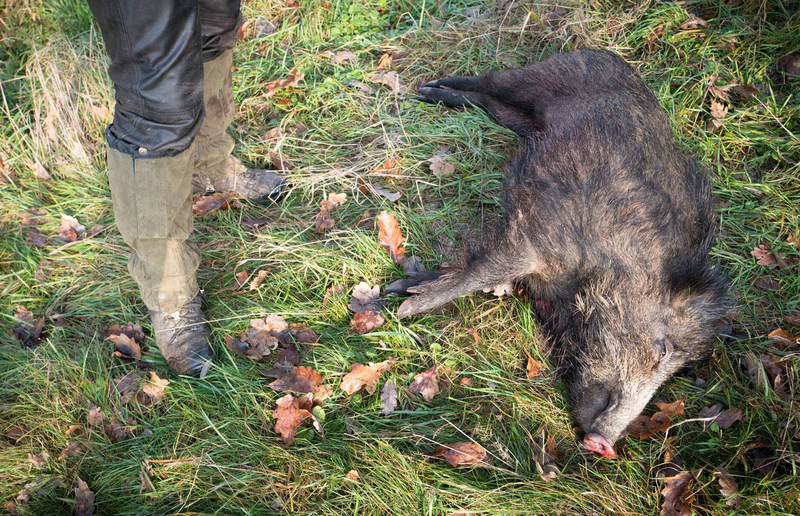
Amidst social alarm and the imminent demonization of wild boars —who are being singled out as culprits— reality seems to point, once again, to the sector itself as the origin of the problem.
The virus strain causing the outbreak appears to be the same one being researched by the IRTA-CReSA laboratory with the aim of finding a vaccine to protect Europe's enormous pig herd. If the virus has escaped from an animal experimentation center, it is imperative that authorities also put on the table not only the danger posed by these laboratories, but also the danger posed by the current model of intensive livestock farming worldwide, instead of focusing the solution on patchwork measures, such as the systematic killing of wild boars.
This crisis demonstrates, plainly, that industrial livestock farming is not only intrinsically cruel to animals, but also proves to be a factory for epidemics and an ecologically and economically unsustainable model.
"The rapid spread of ASF is a symptom of a failed system," denounces Gascón. "Urgent responses based on increasing multi-million-euro aid to the livestock industry or the use of hunters —who are not trained to resolve epidemiological problems— only patch up the situation," continues Gascón.
The only effective and sustainable way to prevent future health threats of this magnitude is a paradigm shift in consumption habits. Authorities must stop allocating massive public funds to mitigate the effects of an industry that generates risk and, instead, promote food alternatives. Reducing or eliminating the consumption of animal products is the most direct and forceful way to dismantle a system that exposes us to recurring epidemics.